Hydraulic System Contamination Control: A Complete Guide to Filter Selection, Installation, and Monitoring Protocols
Contamination is one of the fastest ways to ruin a hydraulic system. It causes wear, breakdowns, and costly downtime that most operations can’t afford. The good news? You can prevent most of that damage with the right filtration setup. That means selecting proper filters, installing them correctly, and sticking to a smart monitoring routine.
At Warrior Filtration, we know how critical it is to protect your equipment. That’s why we offer premium filtration products built for everything from compressors and turbines to hydraulic systems and small engines. Below, we’ll walk you through how to take control of contamination and keep your hydraulic systems running strong.
Why Contamination Control Matters
Even tiny bits of dirt, metal, or water can spell big trouble for hydraulic components. Pumps, valves, and actuators are especially sensitive. If contamination builds up, friction increases, seals wear out, and oil flow gets disrupted. Over time, your system loses pressure and efficiency—and eventually fails.
This is where hydraulic oil filters come into play. Their job is to capture contaminants before they can do damage. But not all filters work the same. Choosing the right one depends on your system type, pressure range, and fluid cleanliness requirements.
Step 1: Selecting the Right Filter
There’s no one-size-fits-all filter for hydraulic systems. Start by looking at these key factors:
- Micron rating: Choose a filter fine enough to capture harmful particles without restricting flow. Many systems benefit from 10-micron or finer elements.
- Pressure tolerance: High-pressure applications need filters that won’t burst under load.
- Flow rate compatibility: Make sure your filter allows smooth oil flow, even during peak operation.
- Placement: Decide between suction, return-line, or pressure-line filters based on your system’s layout and operating conditions.
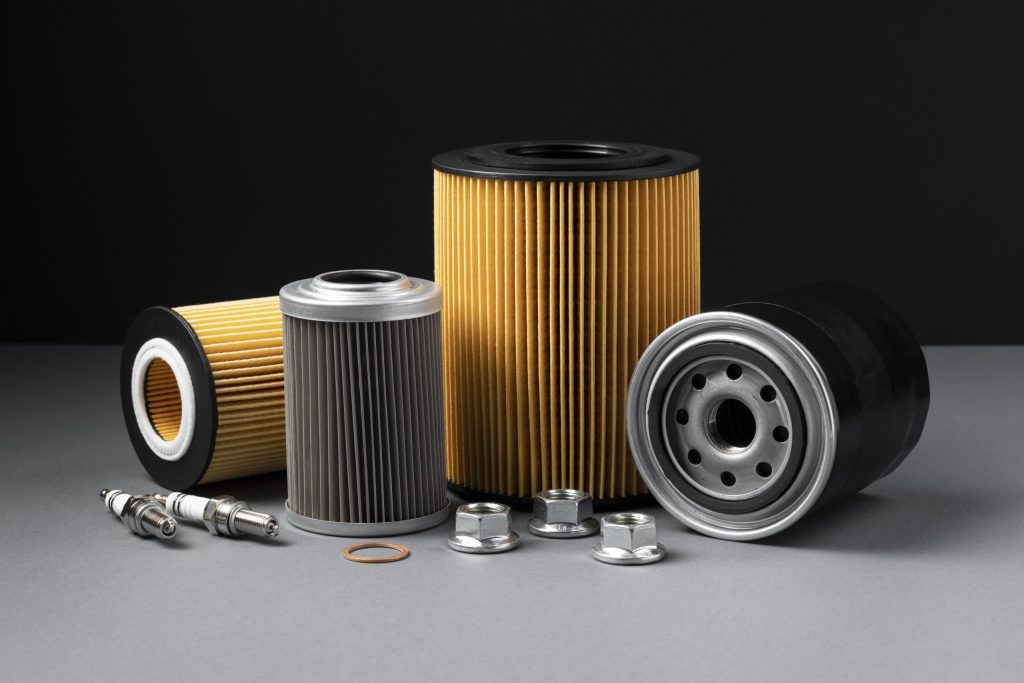
At Warrior Filtration, our hydraulic oil filters are engineered to meet or exceed OEM standards. They’re tough, reliable, and ready to protect your equipment in harsh environments.
Step 2: Best Practices for Installation
Even the best filter won’t help much if it’s installed the wrong way. Here are a few things to get right:
- Cleanliness matters: Don’t introduce contamination during the install. Keep fittings, hoses, and the filter itself clean and sealed until ready to use.
- Proper orientation: Follow the manufacturer’s guidelines. Some filters have specific flow directions or mounting angles.
- Seal check: Always inspect O-rings and gaskets. Replace them if they’re worn or cracked.
Pro tip: Label your filter installation dates and part numbers. It’ll save you time during routine checks and future replacements.
Step 3: Monitoring and Maintenance Protocols
Filters don’t last forever. If you wait until performance drops, it’s often too late. Here’s how to stay ahead of issues:
- Use pressure gauges or clog indicators to know when a filter is nearing its limit.
- Stick to a schedule: Even if your system runs clean, swap filters at regular intervals based on usage.
- Analyze your oil: Send samples to a lab now and then. It’s a great way to spot early signs of contamination or component wear.
With regular filter checks and fluid monitoring, you’ll catch problems before they get expensive.
Why It Pays to Work with Warrior Filtration
Our team doesn’t just sell filters—we help you solve problems. We stock a wide range of hydraulic oil filters that match a variety of industrial equipment. We also offer fast turnaround times, fair prices, and support that doesn’t stop after the sale. Whether you need one filter or a fleet’s worth, we’ve got you covered.
FAQs
Q: How often should I change a hydraulic oil filter?
Typically every 500 to 2,000 hours, depending on system type and workload.
Q: Can I switch to a finer micron filter for better protection?
Yes, but check your flow rate and pressure specs first—too fine a filter could restrict oil flow.
Q: What causes filters to clog faster than expected?
Dirty fluid, worn components, or improper storage of hydraulic oil are common culprits.
Final Thought
A clean hydraulic system is a reliable one. With smart filter selection, proper installation, and routine monitoring, you’ll keep your machines running longer, stronger, and with fewer surprises. Let Warrior Filtration be your trusted partner in protection.